
Planning a trip to Mexico in June 2026? Get the full guide. Explore Mexico’s weather by region. See FIFA World Cup host cities. Get packing tips. Find the best places to visit in Mexico this June.
THE MYTH EVERY TRAVELLER HAS HEARD
Travel forums, cautious relatives, and outdated guidebooks all say the same thing about Mexico in June: “Don’t go. It rains all month. The humidity is unbearable.”
The idea that June is Mexico’s worst month for travel is one of the most persistent myths. It keeps thousands of people away from one of the best-value, most vibrant times to visit.
But the reality is far more interesting than the myth.
IS THE MYTH ACTUALLY TRUE?
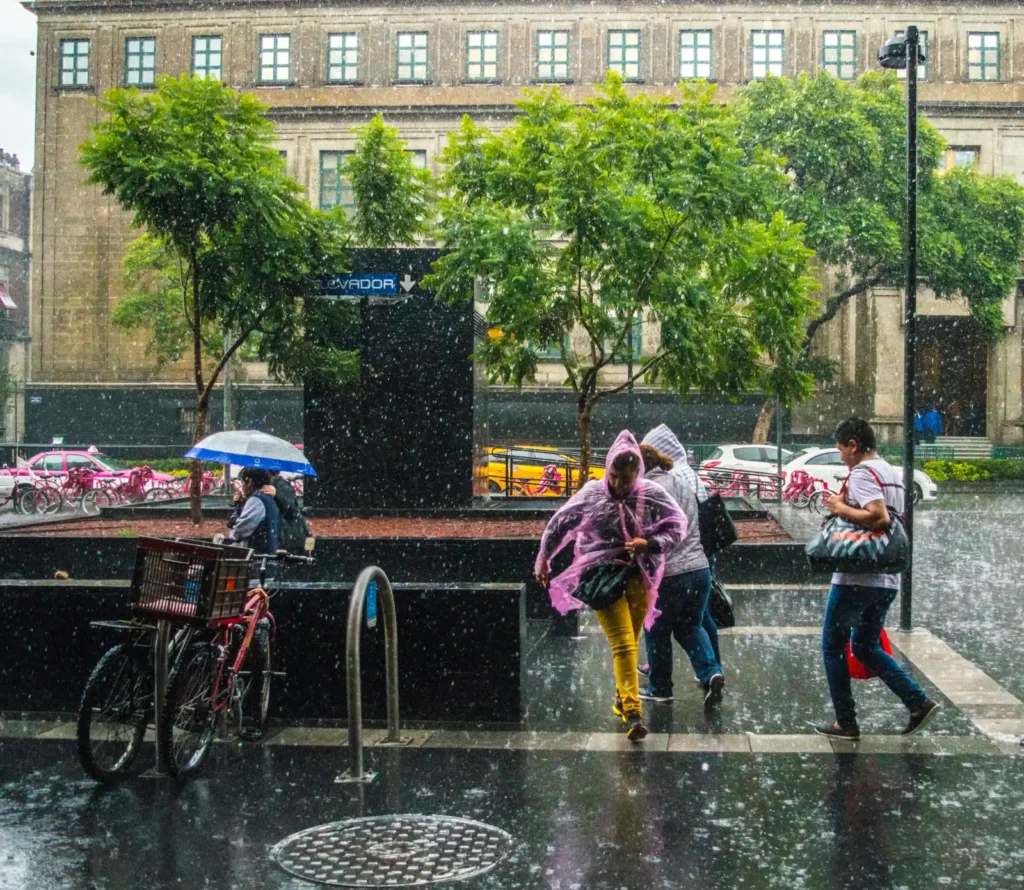
June marks the start of Mexico’s rainy season.
But what many people expect differs from what happens on the ground. Rain across Mexico in June follows a predictable pattern.
Mornings are warm and clear. Clouds build through the afternoon.
A short, dramatic downpour arrives in the late afternoon. Then it stops. The air cools, the sky turns gold, and the evening opens again.
Storms last one to two hours, not all day. Landscapes turn bright green, cenotes stay clear, and resort prices across the Riviera Maya drop a lot.
This happens because many travellers still believe the myth.
In 2026, June in Mexico feels different from any recent year. The FIFA World Cup opens on Mexican soil on June 11. Mexico becomes the only country to host the men’s tournament three times. Three cities, Mexico City, Guadalajara, and Monterrey, host thirteen matches through early July. The country is not just open for visitors.
TEMPERATURE ACROSS MEXICO IN JUNE
The temperature of Mexico in June covers an enormous range, depending on where you land. Understanding this before you pack makes the difference between a comfortable trip and a sweaty, unprepared one.
In Mexico City, altitude keeps the city mild and walkable, with warm days, cool evenings, and afternoon rains that roll in and out quickly. Nothing like the coastal heat.
On Mexico’s Caribbean coast, June weather is very hot and humid.
This includes Cancun, Playa del Carmen, and Tulum. The sea is warm and inviting, but the midday sun demands sunscreen and shade.
Oaxaca sits at about fifteen hundred metres. It has a comfortable climate. Days are warm.
Nights are cool. You don’t need air conditioning. Guadalajara is warm with afternoon showers.
Monterrey is the hottest of the three World Cup host cities. Plan for shade and hydration there. What to Carry
For the Coast, Cancun, Tulum, Playa Del Carmen
Lightweight, quick-dry clothes. SPF 50 sunscreen, apply before stepping outside, not after.
A packable rain jacket that folds into any bag. Sandals for the beach, closed-toe shoes for ruins, and cobblestone. Oral rehydration tablets if combining heat, activity, and late nights.
For Mexico City, Oaxaca, Gudalajara
Layers matter more here. A light jacket for cool evenings in Mexico City is not optional; it genuinely gets cold after dark. Same sunscreen, same rain jacket, but comfortable walking shoes over sandals. These cities reward slow pedestrian exploration.
For World Cups Fans at Any Venue
Your team’s jersey, Mexico green, earns instant goodwill. A portable battery pack for long stadium days. Cash in Mexican pesos
for street food and smaller venues. A local SIM or eSIM from the airport to stay connected across all three host cities.
THE CITIES
Mexico City
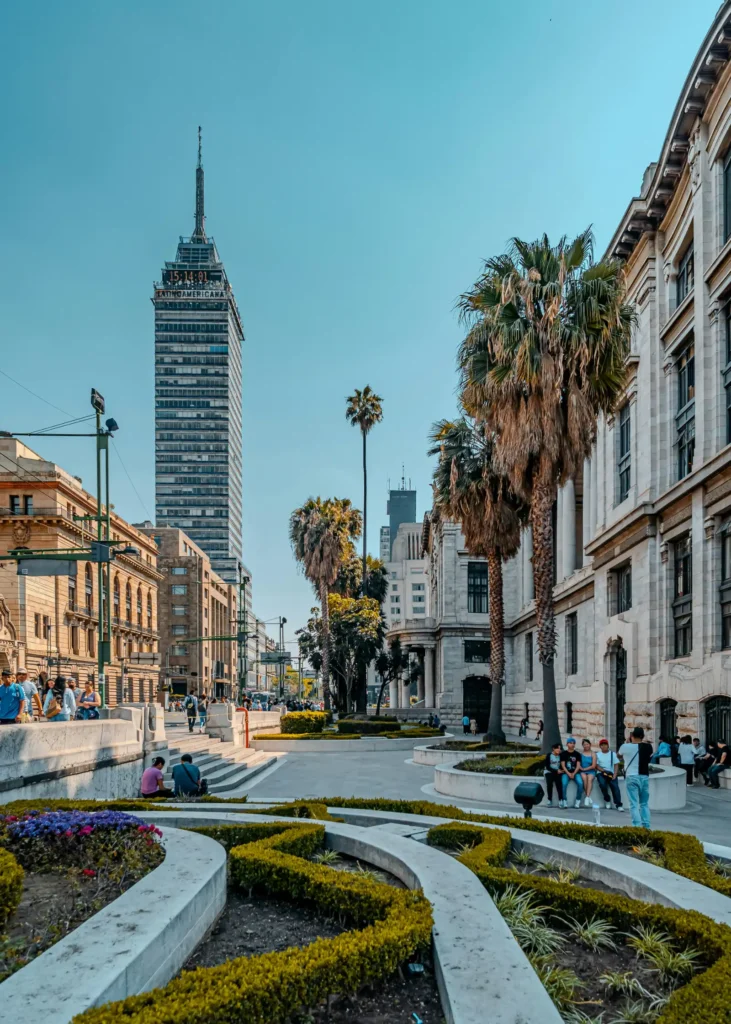
Mexico City in June is mild, walkable, and culturally inexhaustible. Mornings are bright, afternoons bring a short rain, evenings open up cool and social. The city never really stops, and in 2026, it has a reason to be louder than usual.
The Mercado de la Merced is one of the best cheap markets in all of Mexico, with entire streets dedicated to chillies, dried herbs, and prepared food that costs almost nothing. The Zócalo and its surrounding historic centre hold the Catedral Metropolitana, the ruins of the Aztec Templo Mayor, and the Palacio Nacional, where Diego Rivera’s murals cover entire walls.
There are no beaches here, but the cultural depth is unmatched anywhere in the Americas. Best food to try: tacos de canasta from a street cart, chilaquiles rojos at a market comedor, and at least one plate of mole negro.
FIFA in Mexico City
Estadio Azteca hosts the World Cup opener on June 11.
Mexico plays South Africa.
The stadium hosts four more matches through early July. After the final whistle, the Zócalo fan festival runs deep into the night. The neighbourhoods of Roma and Condesa, twenty minutes from the stadium, are where the
post-match crowd migrates: bars still showing replays, restaurants open late, rooftop mezcalerías carrying the match energy for hours. Almost every cantina and sports bar in the city screens every fixture throughout June.
Oaxaca
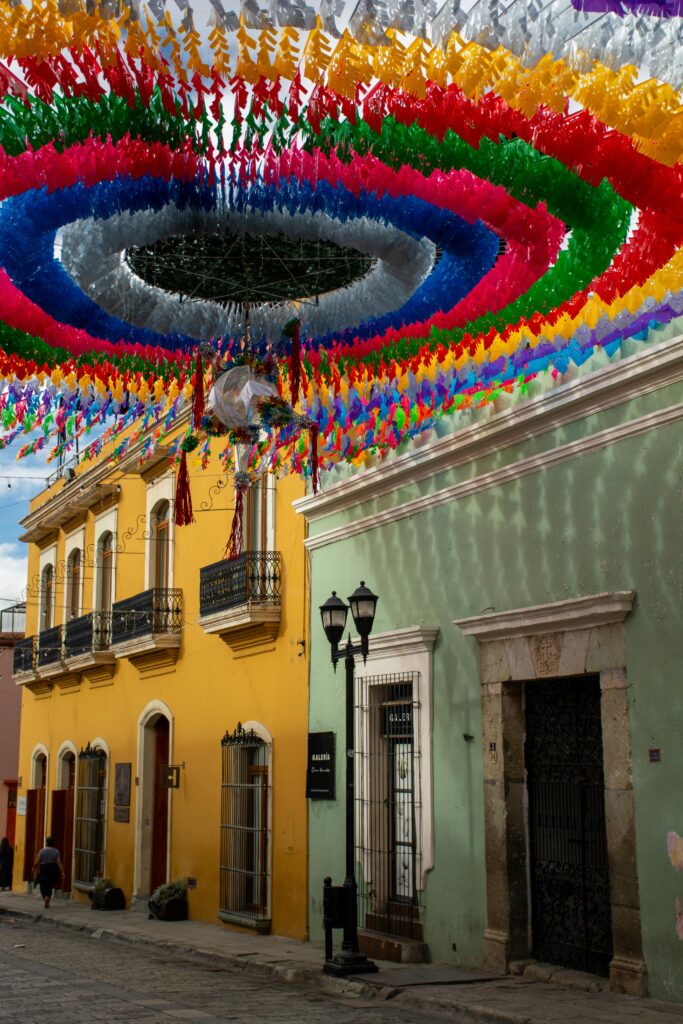
Oaxaca does not have beaches. What it has instead is Mexico’s most generous food and culture scene, set under skies that turn green and gold. The first rains of June bring those colours.
The city centre is small enough to walk in a single morning. You can find most of what makes Oaxaca great at street level: smoke rises from the meat corridor at the Mercado 20 de.
Noviembre. Hand-embroidered textiles at Mercado Benito Juárez. Women grind cacao at open-air mills. You can smell it from the street.
Best foods to try: mole negro, tlayudas, tasajo, and chapulines.
Chapulines are toasted grasshoppers with chilli and lime.
They are truly worth trying at least once. The mezcal here is not the export type. Local producers pour it from unlabeled bottles. The difference is clear right away.
Markets here are among the cheapest places to eat in all of Mexico. Beyond the city, two of Mexico’s best sites are easy to reach. Visit the hilltop ruins of Monte Albán. See the petrified waterfalls of Hierve el Agua.
Cancun and the Riviera Maya
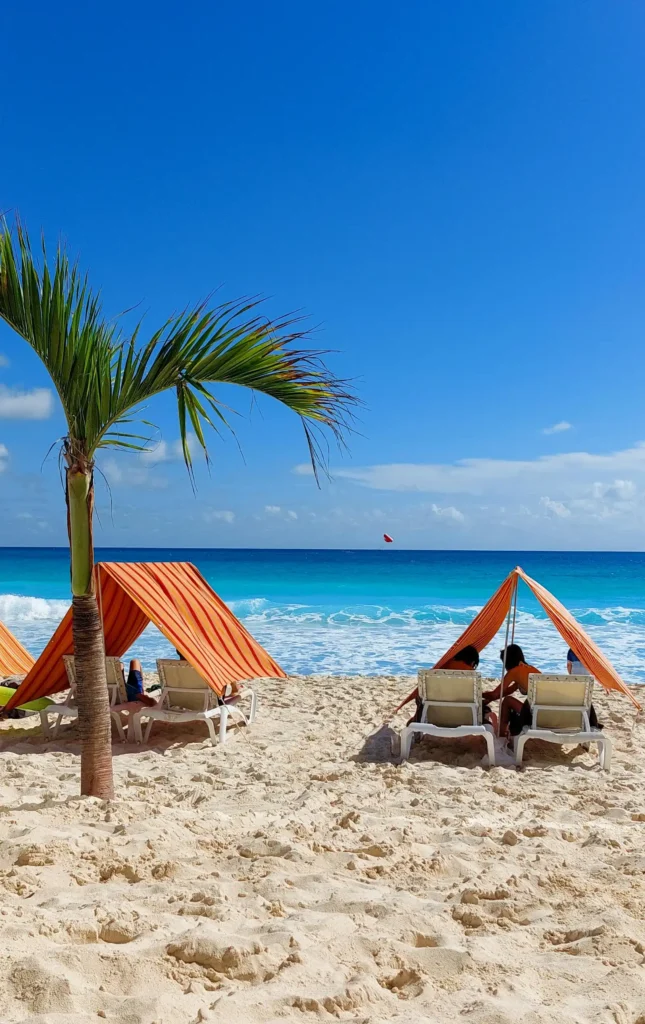
The best place to visit in Mexico for a first-time beach trip. Caribbean water that shifts from turquoise to deep blue, white sand, and in June, far fewer crowds than the winter peak.
Cancun is the entry point: convenient, energetic, and hotel-zoned. Playa del Carmen is the better base: walkable, genuinely local, with ferry access to Cozumel and cenotes within easy reach.
Tulum, Mexico, resorts range from eco-glamping to high-design cliff-top hotels. Tulum, Mexico, all-inclusive options now include meals, cenote tours, and activities in one package. This is a practical choice for a short stay.
Bacalar, two and a half hours south, is one of the most underrated Mexican sites of interest on the entire peninsula. This lagoon shifts through seven shades of blue and turquoise around a seventeenth-century pirate fort.
Isla Holbox runs on a different clock: no cars and roads of packed sand. At night, the water glows. Whale shark season peaks through June. Best food on the coast includes cochinita pibil, fresh ceviche, and tacos de pescado.
Try poc chuc too. It is Yucatecan grilled pork marinated in sour orange.
You can find it almost everywhere once you leave the hotel zone.
Guadalajara
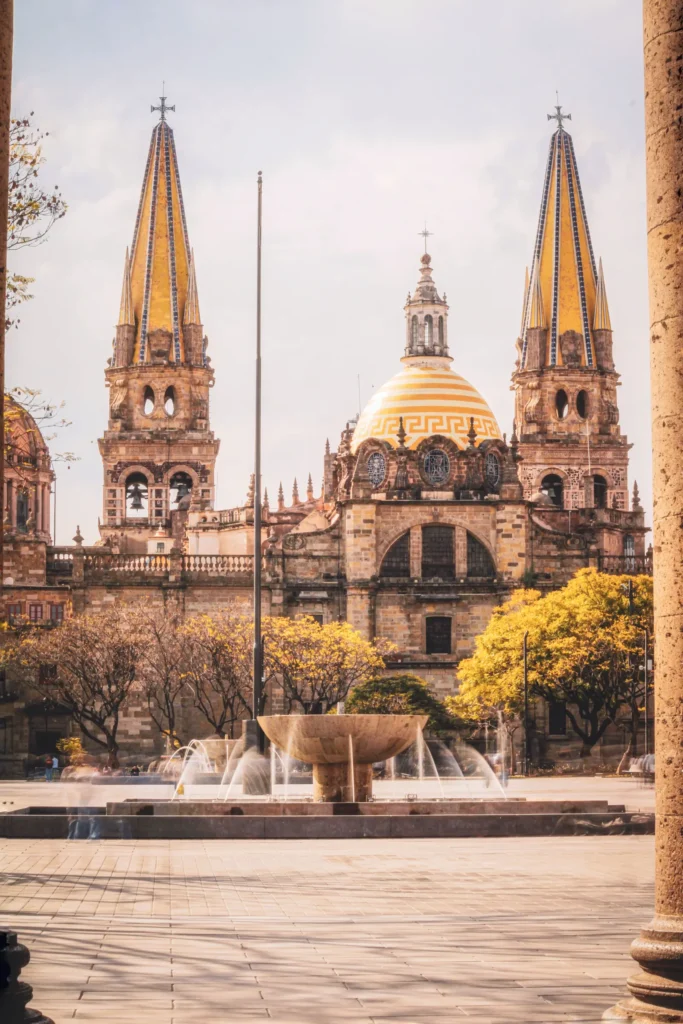
Guadalajara is Mexico’s second-largest city. It has great food and friendly neighbourhoods.
Its pace is between Mexico City’s buzz and Oaxaca’s calm. The locals, known as tapatíos, are proud of their mariachi, tequila, and football heritage. In June 2026, the last pride reaches a peak.
The Colonia Americana neighbourhood on Avenida Chapultepec is the most social part of the city and the best base for World Cup visitors. The Mercado San Juan de Dios, the largest covered market in Latin America, is cheap, chaotic, and an excellent place to eat. The Tequila Route, an hour west
Through blue agave fields, it is one of the best outdoor day trips near any major Mexican city.
FIFA In Gudadajara
Estadio Akron hosts four group-stage matches, including Mexico versus South Korea on June 18. After the final whistle, walk away from the stadium before hailing a ride; the area immediately clogs up.
The post-match crowd flows toward Chapultepec for bars and live screens, or to Tlaquepaque for something quieter and more local.
Birriería El Chololo in Tlaquepaque is the go-to post-match eating spot. Birria (slow-braised meat in spiced broth) is Guadalajara’s iconic dish, and this is one of the finest versions.
Monterrey
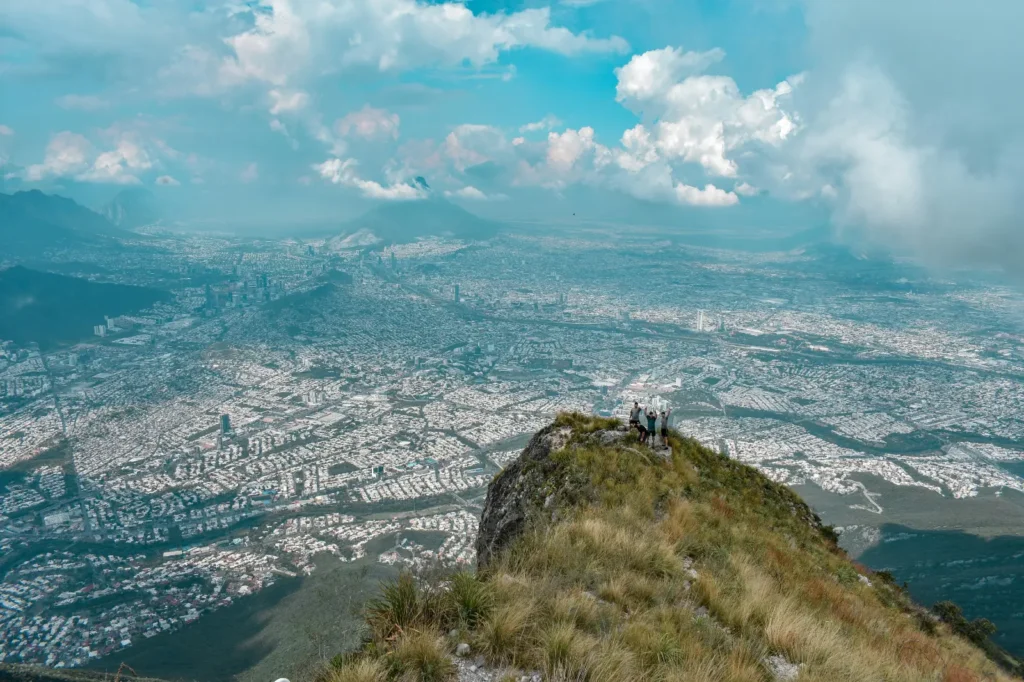
Monterrey is the hottest and most visually dramatic of the three host cities. The Sierra Madre Oriental comes down close to the city’s edge. The jagged silhouette of Cerro de la Silla dominates the skyline like no other Mexican city. June here needs a plan: mornings for sightseeing, afternoons in the shade, and evenings in the city’s great bars and restaurants.
The Barrio Antiguo is the historic neighbourhood with cobblestone streets, live music, and late-night restaurants. Fundidora Park, built on the site of a former steel mill, is one of Mexico’s best urban parks and is free to enter.
FIFA In Monterrey
Estadio BBVA hosts group games and a knockout match with a mountain backdrop that makes it one of the most photographed venues in the entire tournament. After any match, the Barrio Antiguo is the natural destination: a short ride from the stadium, full of bars and restaurants with screens showing every game.
The Paseo Santa Lucía, a canal walkway connecting the city centre to Fundidora Park, is one of the most distinctive evening walks in the city and a perfect way to wind down after the final whistle.
CONCLUSION
Mexico in June 2026 is not a compromise; it is a deliberate choice. Lower prices, greener landscapes, thinner crowds at the best places to travel in Mexico, and a front-row seat to the biggest sporting event the country has hosted in forty years. The rain comes and goes in an hour. The heat on the coast is real but manageable. And the energy, from the Azteca on June 11 to a mezcal bar in Oaxaca with the match projected on the wall, is something that does not appear on any weather chart. Pack the rain jacket, book ahead for the host cities, and come with curiosity. Mexico will handle the rest.